Rubbish collection Wimbledon Village SW19 guide
Posted on 27/07/2026
If you live or work in Wimbledon Village, rubbish has a habit of building up at the worst possible time. A moving day. A garden clear-out. A kitchen refit. Or just one of those weekends when the shed, hallway, and spare room all start judging you. This Rubbish collection Wimbledon Village SW19 guide is designed to make the process simpler, safer, and far less stressful.
Wimbledon Village has its own rhythm: period homes, busy high streets, narrow access in places, and a constant balance between keeping things tidy and keeping things moving. That means rubbish collection here is not just about "getting rid of stuff". It is about choosing the right method, avoiding unnecessary hassle, and handling waste properly. In this guide, you will find a clear explanation of how rubbish collection works, when it makes sense, what to watch out for, and how to decide the best option for your situation.
For readers who want a broader view of the area's lifestyle and property context, there is also useful background in these Wimbledon living insights and this guide to Wimbledon's neighbourhood character.
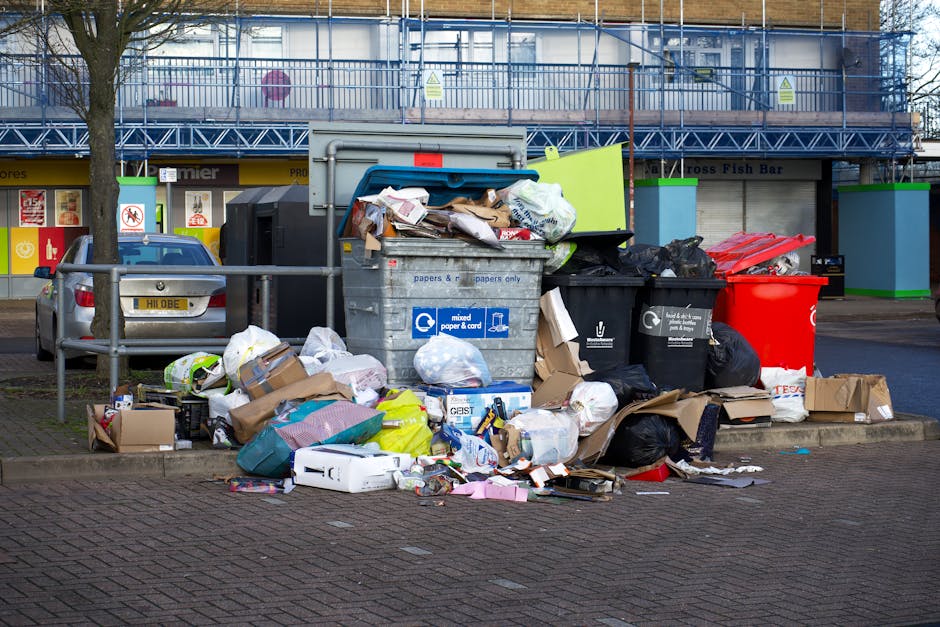
Why Rubbish collection Wimbledon Village SW19 guide Matters
Rubbish collection sounds straightforward until you are staring at piles of old furniture, broken bags, packaging, or builders' offcuts and wondering where it all goes. In Wimbledon Village, the stakes are a bit higher than they first seem. Streets can be busy, parking can be tight, and the wrong approach can lead to delays, extra lifting, or waste sitting around longer than it should. Nobody wants that, especially when a property needs to look presentable fast.
There is also the practical side. Waste left too long can create smells, attract pests, and make a home or business feel cluttered and chaotic. That is true in any part of London, but in a location like SW19, where presentation matters and space is often at a premium, the impact is felt quickly. A clean, organised space simply makes life easier. It sounds obvious. It really is.
One thing people often underestimate is the knock-on effect of poor rubbish handling. If you are renovating, selling a property, clearing a house, or preparing an office, bad waste management can slow everything down. A sensible collection plan helps you keep momentum. And momentum matters more than most people realise.
How Rubbish collection Wimbledon Village SW19 guide Works
At a practical level, rubbish collection usually follows a simple pattern: identify what needs to go, separate the items into sensible groups, choose a collection method, and arrange removal at a time that works for you. The detail, of course, is where the real decision happens.
In Wimbledon Village, collection is often tailored to the type of waste involved. A few bags of general household rubbish are very different from bulky furniture, garden waste, mixed renovation debris, or a full house clearance. Some loads are easier to move in one go. Others need more planning because of weight, access, recycling requirements, or the need to protect floors and walls during removal.
Good rubbish collection also means thinking about what can be reused or recycled rather than sent straight to disposal. That is not just a nice extra. It often affects the most efficient route for the job. If you want to understand how sustainability fits into collection decisions, it is worth reading the company's recycling and sustainability approach.
In practice, a reliable collection service should be able to handle:
- household rubbish and general junk
- bulky waste and awkward items
- furniture disposal
- garden waste
- builders' waste and renovation debris
- office and commercial clearances
That flexibility is useful because most people do not produce waste in neat, tidy categories. Life is messier than that, truth be told.
Key Benefits and Practical Advantages
The clearest benefit is time. Rubbish collection takes a job that might consume your whole weekend and turns it into a manageable task. Instead of hiring a van, making multiple trips, and figuring out disposal rules on the fly, you hand the problem over in a structured way.
There is also the safety angle. Heavy lifting is where many people run into trouble. Sofas, wardrobes, soaked garden bags, and construction waste can be awkward, slippery, or just too heavy for a couple of people on a narrow staircase. A professional approach reduces the risk of damage and injury. If you are comparing how a provider handles that side of the job, a good place to start is the company's insurance and safety information.
Other real advantages include:
- Less disruption - collections can often be timed around your day, so you are not waiting around forever.
- Cleaner results - rubbish is removed in one coordinated visit instead of being spread across several.
- Better recycling outcomes - items can be sorted more thoughtfully.
- More usable space - a cleared room, garden, or office is easier to work in immediately.
- Peace of mind - you know the waste is being handled in a proper, traceable way.
And if you are sorting waste as part of a wider project, there is a lot to be said for seeing the bigger picture. Wimbledon property owners, for example, often pair rubbish collection with home improvement or resale preparation. The context in this Wimbledon property buying guide and this article on property sales in Wimbledon shows why a clean, decluttered space can support the next step.
Who This Is For and When It Makes Sense
This kind of waste collection service is useful for a surprisingly wide range of people. It is not just for big clearances or building projects. Sometimes the smallest jobs are the ones that become annoying fastest.
You may need rubbish collection in Wimbledon Village if you are:
- moving house and need old items removed quickly
- clearing a loft, cellar, garage, or spare room
- refreshing a garden after pruning or landscaping
- renovating a kitchen, bathroom, or extension
- replacing furniture and need the old pieces taken away
- closing, relocating, or downsizing an office
- preparing a property for sale or rental
- dealing with an estate or inherited home
It also makes sense for people who value convenience over DIY disposal. Let's face it, not everyone wants to spend a Saturday queuing, lifting, and trying to work out which bag goes where. Sometimes the decision is not even about cost alone. It is about preserving your time and your back.
If you are dealing with a larger clearance, you may want to look at related services such as house clearance in Wimbledon, office clearance support, garden waste removal, furniture disposal, or builders' waste disposal.
Step-by-Step Guidance
If you want the smoothest possible collection, it helps to break the task into clear steps. A little planning goes a long way here.
- Walk through the space slowly. Make a simple list of everything you want removed. Do not guess. Open cupboards, check corners, and look behind doors. The small stuff adds up.
- Separate the waste by type. Keep furniture, general rubbish, garden waste, and building debris apart if you can. It makes the collection more efficient and can help with recycling.
- Identify anything sensitive or awkward. That includes fridges, mirrors, paint tins, old electronics, or items that are heavy but fragile.
- Check access. Note stairs, narrow hallways, parking restrictions, or long carries from the property to the vehicle. In Wimbledon Village, this is a bigger deal than many people expect.
- Choose the right collection option. A small load, a bulky item removal, and a full clearance are different jobs. Match the service to the volume and type of waste.
- Prepare the items. Bag loose rubbish, empty drawers if needed, and make sure pathways are clear. Simple, but it saves time.
- Confirm the details. Double-check what is included, how the team will access the property, and whether there are any restrictions on item type.
- Be ready on the day. Keep pets secure, unlock access points, and have someone available if decisions need to be made during the visit.
A small bit of preparation can turn a mildly chaotic job into something almost easy. Almost.
Expert Tips for Better Results
Here is the honest truth: the best rubbish collections are usually the ones that were prepared properly, not the ones that relied on last-minute heroics.
1. Group items by how they will be lifted.
Keep bulky items together and loose rubbish together. If everything is mixed in one pile, collection takes longer and there is a greater chance of something getting missed.
2. Take photos before you book.
A quick set of pictures can help clarify the scale of the job. That is especially useful for mixed clearances, lofts, or awkward access. It avoids the classic "oh, there was a bit more than I mentioned" moment.
3. Clear a path early.
In older Wimbledon Village properties, hallways and stairs can be compact. A few minutes spent moving lamps, shoes, or plant pots can save a lot of fiddling later.
4. Think in terms of outcome, not just removal.
Are you trying to create a clean room, complete a renovation, or make a property market-ready? The goal changes the best method.
5. Ask about recycling and sorting.
It is sensible to choose a provider that has clear waste handling standards. If that matters to you, read more about the company's services overview and its recycling focus.
6. Do not leave everything for the morning of collection.
That is when little problems become big ones. Bags split, bins get wedged, and suddenly you are carrying a chair sideways through a doorway. Not ideal.
7. Keep one space for "unsure" items.
If you are not certain whether something should stay or go, place it separately and decide later. It helps avoid accidental disposal of things you still need.

Common Mistakes to Avoid
Most problems with rubbish collection are avoidable. They usually come down to rushing, underestimating the volume, or not thinking through access properly.
- Mixing everything together. This slows down sorting and makes the job harder than it needs to be.
- Forgetting about access restrictions. A collection plan that works on paper can fail if the vehicle cannot stop nearby.
- Assuming all waste is the same. General rubbish, garden waste, and builders' waste are handled differently in practice.
- Leaving items outside too early. In a place like Wimbledon Village, that can create clutter, spoil the look of the property, and attract unwanted attention.
- Ignoring fragile or hazardous items. Paint, sharp broken materials, and certain electricals need more care.
- Picking the wrong service size. Too small and you need a second visit; too large and you may be paying for capacity you never use.
A lot of frustration disappears once people realise collection is not just "pick up and go". It is logistics, really. Small logistics, but still logistics.
Tools, Resources and Recommendations
You do not need fancy equipment to prepare for rubbish collection, but a few simple tools help. Heavy-duty bags, gloves, tape, labels, a marker pen, and a basic measuring tape are usually enough for most domestic clearances. If you are sorting a larger load, a torch and a notepad can be surprisingly useful too.
For property owners, landlords, and local businesses, it is often worth keeping a simple waste action list. That might include:
- what tends to build up most often
- where it is stored
- who is allowed to approve removal
- which items must never be mixed in with general rubbish
- how access is arranged for collection day
From a decision-making point of view, the most useful recommendation is to choose a provider with a clear service structure and transparent pricing. You can review the company's pricing and quotes information and, if needed, check how secure the payment process is explained on the payment and security page.
For readers who like to understand the business more fully before booking, the about us page and privacy policy can also be useful. It is the boring part, yes, but boring details often tell you whether a company is organised and trustworthy.
Law, Compliance, Standards and Best Practice
Waste removal in the UK is not something to treat casually. You do not need to become an expert in waste law to arrange a collection, but you should expect the provider to handle waste responsibly and to follow normal industry practice.
At a high level, best practice usually means waste is:
- collected safely
- handled by an appropriate team
- sorted where practical for reuse or recycling
- transported to the correct facility
- managed in line with applicable environmental and safety expectations
It is also sensible to look for clear terms and conditions, especially if you are booking a larger clearance or if access may be tricky. The terms and conditions page should help explain how the service works in normal circumstances. If you want reassurance around business practices more broadly, the company also publishes a modern slavery statement and accessibility information via the accessibility statement.
In plain English, the point is this: you want waste removed by a service that behaves like a proper business, not a van with a vague promise and a handshake. The difference matters more than people think.
Options, Methods and Comparison Table
There is no single best approach for every situation. The right method depends on the amount of waste, your access, and how quickly you need the space cleared. Here is a simple comparison to make the choice clearer.
| Option | Best for | Pros | Watch-outs |
|---|---|---|---|
| DIY disposal | Very small loads | Can feel cheap upfront | Time-consuming, lifting risk, multiple trips |
| Skip hire | Larger ongoing projects | Good for longer jobs | Needs space, permits may be required depending on placement, can be overkill for small clear-outs |
| On-demand rubbish collection | Mixed or bulky loads | Fast, convenient, less effort | Usually needs clear booking details and access planning |
| Full clearance service | House moves, estates, offices, renovations | Handles large volumes efficiently | Not always necessary for minor jobs |
If you are dealing with one bulky item, a small set of bags, and a tight schedule, on-demand collection is often the most practical route. If the property is being emptied room by room, a structured clearance service may make more sense. It is not about choosing the most impressive option. It is about choosing the least annoying one.
Case Study or Real-World Example
A common Wimbledon Village scenario goes like this. A homeowner is preparing a property for new tenants and realises, three days before handover, that the loft is full of broken chairs, old suitcases, mixed cardboard, and a few pieces of furniture no one wants. The garden also has a pile of cut branches from a recent tidy-up. The place is in good condition overall, but it looks cluttered and unfinished.
Rather than trying to sort it all into a dozen trips to a disposal point, the homeowner groups the waste into three piles: furniture, garden waste, and general rubbish. They clear the access route, identify the larger items, and arrange a collection that suits the volume and timing. The job is completed in one visit, and the property feels instantly more presentable. The best part? The stress drops almost immediately once the decision is made.
That is the real value of good rubbish collection. It does not just remove waste. It removes friction. In a busy week, that is gold.
Practical Checklist
Use this quick checklist before your rubbish collection appointment:
- Walk through every room, cupboard, and storage space
- Separate furniture, general rubbish, garden waste, and builders' debris
- Check whether anything needs special care
- Measure access points if the items are bulky
- Clear hallways, stairs, and doorways
- Keep pets and children away from the collection route
- Confirm what is included in the job
- Take photos if the clearance is large or mixed
- Review pricing, safety, and terms before booking
- Leave items in a safe, accessible position for removal
If you are looking for the wider picture of available support, the services overview is a useful place to see how different clearance types fit together.
Conclusion
Rubbish collection in Wimbledon Village is really about more than waste. It is about keeping a home, garden, office, or property project moving without unnecessary chaos. When you choose the right collection method, prepare the space properly, and work with a provider that understands safety, access, and responsible disposal, the whole process becomes far easier.
That is especially true in SW19, where the setting is distinctive and presentation matters. Whether you are clearing a single bulky item or a full property, the best results usually come from calm planning, not last-minute panic. Small jobs handled well tend to feel smaller. Funny how that works.
If you are comparing options or planning a clearance soon, keep the focus on convenience, safety, and proper waste handling. That combination usually gives you the cleanest result and the least stress. And honestly, that is what most people want at the end of the day.
Get a free quote today and see how much you can save.
Sometimes the most satisfying part is simply seeing the floor again.
 Tipper Van - Rubbish Disposal and Waste Collection Prices in Wimbledon, SW19
 Luton Van - Rubbish Disposal and Waste Collection Prices in Wimbledon, SW19


